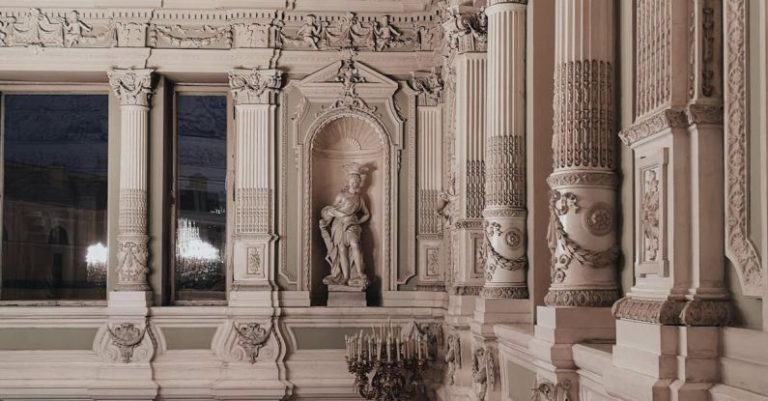

Innovative Composite Solutions for Challenging Architectural Projects
The world of architecture is constantly evolving, with designers and engineers pushing the boundaries of what is possible in terms of form, function, and aesthetics. As architectural projects become more complex and ambitious, the need for innovative materials and construction techniques has never been greater. One such solution that has been gaining popularity in recent years is the use of composite materials in construction. These versatile materials offer a wide range of benefits that make them ideal for tackling even the most challenging architectural projects.
The Rise of Composite Materials in Architecture
Composite materials are made by combining two or more different materials to create a new material with enhanced properties. In the world of architecture, composites are typically made by combining a reinforcing material such as fiberglass or carbon fiber with a binding agent such as epoxy resin. The resulting material is lightweight, strong, and highly customizable, making it ideal for a wide range of applications in architecture.
Enhancing Structural Integrity
One of the key benefits of using composite materials in architectural projects is their exceptional strength-to-weight ratio. This means that composites can be used to create structures that are both lighter and stronger than those made from traditional materials such as concrete or steel. This is particularly advantageous in projects where weight is a concern, such as in the construction of bridges, high-rise buildings, or other structures that need to support heavy loads.
Flexibility in Design
Another major advantage of composite materials is their flexibility in terms of design. Composites can be molded into almost any shape or form, allowing architects to create unique and innovative structures that would be impossible to achieve with traditional materials. This flexibility opens up a world of possibilities for architects, enabling them to push the boundaries of what is possible in terms of form and aesthetics.
Durability and Longevity
Composite materials are also highly durable and resistant to corrosion, making them ideal for use in architectural projects where longevity is a key consideration. Unlike traditional materials, composites do not rust, rot, or degrade over time, ensuring that structures built with these materials will remain strong and stable for years to come. This durability makes composites a cost-effective choice for projects that require minimal maintenance and upkeep.
Sustainability and Environmental Benefits
In addition to their structural advantages, composite materials also offer environmental benefits that make them an attractive choice for architects and designers. Many composites are made from recycled or renewable materials, reducing the environmental impact of construction projects. Additionally, the lightweight nature of composites can help reduce the overall carbon footprint of a project by requiring less energy for transportation and installation.
Case Studies: Innovative Uses of Composite Materials
To showcase the versatility and potential of composite materials in architecture, let’s explore some innovative projects that have successfully integrated composites into their design:
– The Broad Art Museum in Los Angeles, designed by Diller Scofidio + Renfro, features a striking facade made from glass fiber-reinforced concrete panels. This innovative use of composite materials allowed the architects to create a dynamic and visually engaging exterior that complements the museum’s contemporary design.
– The Morpheus Hotel in Macau, designed by Zaha Hadid Architects, features a futuristic exoskeleton structure made from glass fiber-reinforced aluminum panels. This innovative use of composites enabled the architects to create a gravity-defying form that challenges traditional notions of architectural geometry.
– The Vessel in New York City, designed by Heatherwick Studio, features a spiraling staircase made from composite materials that offer both structural support and aesthetic appeal. This innovative use of composites allows visitors to experience the structure in a unique and immersive way, highlighting the endless possibilities of these materials in architecture.
Conclusion: Embracing the Future of Architecture with Composites
As architects and designers continue to push the boundaries of what is possible in the field of architecture, innovative materials such as composites will play an increasingly important role in shaping the built environment. With their exceptional strength, flexibility, durability, and sustainability, composite materials offer a wealth of benefits that make them an ideal choice for tackling even the most challenging architectural projects. By embracing the potential of composites, architects can unlock new possibilities for creating structures that are not only functional and efficient but also visually stunning and environmentally friendly.