
Lightweight Composites for High-rise Building: Pros & Cons
The construction industry is constantly evolving, with new materials and technologies being developed to improve efficiency, sustainability, and safety in building projects. One such innovation that has gained popularity in recent years is the use of lightweight composites in high-rise buildings. These advanced materials offer a range of benefits, but they also come with certain drawbacks that must be carefully considered. In this article, we will explore the pros and cons of using lightweight composites in high-rise construction projects.
Enhanced Strength and Durability
One of the primary advantages of using lightweight composites in high-rise buildings is their exceptional strength-to-weight ratio. These materials are typically made by combining two or more different substances to create a composite that is stronger and more durable than traditional building materials like concrete and steel. This enhanced strength allows for the construction of taller, more slender structures that can withstand high wind loads and seismic forces, making them ideal for high-rise buildings in areas prone to natural disasters.
Improved Thermal Performance
Lightweight composites also offer superior thermal performance compared to conventional building materials. These materials have excellent insulating properties, which can help reduce heating and cooling costs in high-rise buildings. By minimizing heat transfer through the building envelope, lightweight composites can create a more comfortable indoor environment for occupants while also reducing the building’s overall energy consumption. This can lead to significant cost savings over the lifetime of the building.
Design Flexibility
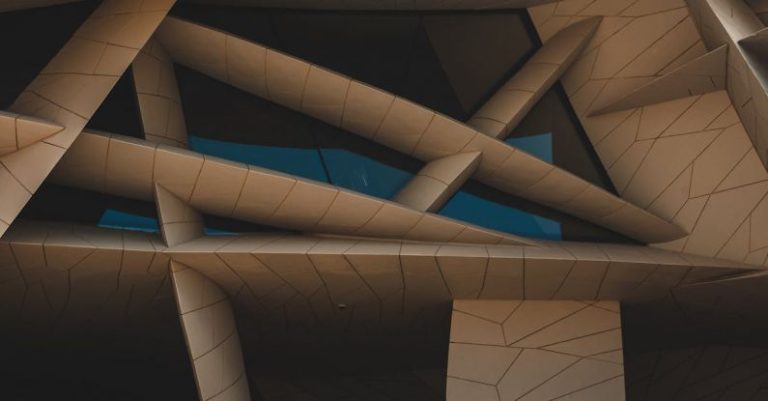
Another key benefit of using lightweight composites in high-rise construction is their versatility in design. These materials can be molded into virtually any shape or form, allowing architects and engineers to create unique and innovative building designs that would be impossible to achieve with traditional materials. Lightweight composites also offer a wide range of aesthetic options, including different textures, colors, and finishes, giving designers the freedom to create visually stunning structures that stand out in the urban landscape.
Environmental Sustainability
In an era of increasing environmental awareness, the use of lightweight composites in high-rise construction can help reduce the industry’s carbon footprint. These materials are often manufactured using recycled or renewable resources, making them more sustainable than traditional building materials. Additionally, the lightweight nature of composites can result in reduced transportation costs and energy consumption during construction, further lowering the overall environmental impact of the building project. By choosing lightweight composites, developers can demonstrate their commitment to sustainability and eco-friendly building practices.
Cost Considerations
While there are many benefits to using lightweight composites in high-rise construction, cost considerations must also be taken into account. These advanced materials can be more expensive than traditional building materials, which can impact the overall project budget. Additionally, specialized labor and equipment may be required to work with lightweight composites, adding further to the construction costs. Developers must carefully weigh the benefits of using these materials against the upfront expenses to determine if they are a cost-effective choice for their high-rise building project.
Maintenance and Repairs
Another potential drawback of using lightweight composites in high-rise buildings is the maintenance and repair requirements associated with these materials. While lightweight composites are durable and long-lasting, they may be more susceptible to damage from impacts or extreme weather conditions compared to traditional building materials. Repairing or replacing damaged composite elements can be complex and costly, requiring specialized skills and materials. Developers must factor in the long-term maintenance needs of lightweight composites when considering their use in high-rise construction projects.
In Conclusion: Balancing the Benefits and Drawbacks
In conclusion, the use of lightweight composites in high-rise building projects offers a range of benefits, including enhanced strength, improved thermal performance, design flexibility, and environmental sustainability. However, developers must also consider the cost implications and maintenance requirements associated with these materials. By carefully weighing the pros and cons of using lightweight composites, project stakeholders can make informed decisions that balance the benefits of these advanced materials with the potential drawbacks. Ultimately, the choice to incorporate lightweight composites in high-rise construction should be based on a thorough evaluation of the specific needs and goals of the project, ensuring that the building meets both performance requirements and budget constraints.