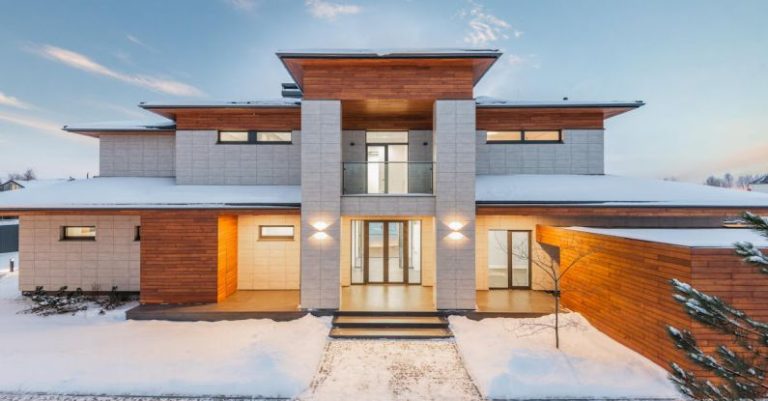

The Evolution of Aesthetics with Composite Architectural Elements
Architecture has always been a reflection of the society and culture it emerges from, a tangible expression of the values and beliefs of a particular era. Throughout history, architects have continually innovated and experimented with various elements to create structures that not only serve functional purposes but also captivate and inspire with their aesthetic appeal. One such evolution in architectural design is the incorporation of composite architectural elements, where different materials and styles are combined to create visually stunning and dynamic structures that push the boundaries of traditional design norms.
The Rise of Composite Architectural Elements
The concept of composite architectural elements has roots that can be traced back to ancient civilizations such as the Greeks and Romans, who were known for their use of various materials like stone, marble, and wood in their architectural designs. These early architects understood the power of combining different elements to create structures that exuded grandeur and sophistication, setting the stage for the evolution of composite architectural elements in the centuries to come.
As architectural styles evolved over time, so did the use of composite elements in design. The Renaissance period, for example, saw a resurgence of interest in classical forms and proportions, leading to the incorporation of intricate details such as columns, arches, and domes in buildings that blended elements from different architectural traditions. This fusion of styles resulted in structures that were not only visually striking but also rich in cultural symbolism, reflecting the eclectic tastes and influences of the era.
The Modern Interpretation of Composite Architectural Elements
In the modern era, architects have continued to push the boundaries of traditional design by experimenting with new materials and technologies to create innovative structures that challenge our perceptions of space and form. The use of composite architectural elements in contemporary design has allowed architects to create buildings that are dynamic, multi-functional, and environmentally sustainable, reflecting the values and priorities of our time.
One of the defining characteristics of modern composite architectural elements is the seamless integration of different materials and textures to create a harmonious whole. Glass, steel, and concrete are often combined in innovative ways to produce buildings that are not only aesthetically pleasing but also structurally sound and energy-efficient. This blending of materials allows architects to play with light, shadow, and reflection, creating a sense of movement and fluidity in their designs that capture the imagination and evoke an emotional response from the viewer.
The Influence of Technology on Composite Architectural Elements
Advancements in technology have also played a significant role in shaping the evolution of composite architectural elements. Computer-aided design software and digital fabrication techniques have enabled architects to experiment with complex geometries and forms that would have been impossible to achieve using traditional methods. This has opened up new possibilities for creating structures that are both visually stunning and functionally efficient, blurring the lines between art and architecture in exciting ways.
The Future of Composite Architectural Elements
As we look to the future, it is clear that the evolution of composite architectural elements will continue to be driven by innovation, sustainability, and a commitment to creating spaces that not only serve practical needs but also inspire and uplift the human spirit. Architects will continue to explore new materials, technologies, and design strategies to push the boundaries of what is possible in architectural design, creating structures that are not just buildings but works of art that enrich our lives and shape the world around us.
In conclusion, the evolution of composite architectural elements represents a dynamic and exciting chapter in the history of architecture, where tradition and innovation converge to create structures that are both timeless and cutting-edge. By blending different materials, styles, and technologies, architects have been able to create a new language of design that speaks to the complexities and contradictions of our contemporary world, offering a glimpse into the endless possibilities of what architecture can be.