
Composites: the Material of Choice for Innovative Facade Systems
In the realm of architecture and construction, the facade of a building serves as a crucial element that not only contributes to the aesthetic appeal but also plays a significant role in the overall performance and sustainability of the structure. As technology and materials continue to advance, architects and designers are constantly seeking innovative solutions to create facades that are not only visually striking but also functional and efficient. One material that has emerged as a preferred choice for these avant-garde facade systems is composites.
The Versatility of Composites in Facade Design
Composites, which are materials made from two or more constituent materials with significantly different physical or chemical properties, offer a wide range of benefits that make them ideal for facade applications. One of the key advantages of composites is their versatility. These materials can be customized to meet specific design requirements, allowing architects to create unique and complex facade designs that would be difficult or impossible to achieve with traditional building materials.
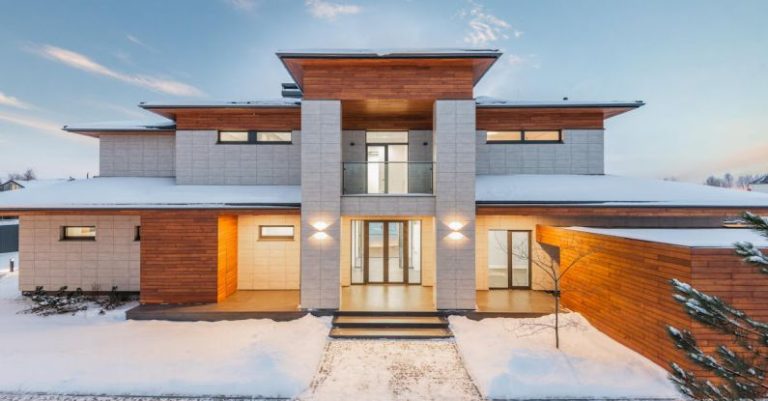
Composites also offer a high degree of design flexibility, allowing architects and designers to experiment with different shapes, textures, and colors to create visually striking facades that stand out from the crowd. Whether it’s a sleek, modern facade for a high-rise building or a more organic, nature-inspired design for a residential project, composites can be tailored to suit a wide range of architectural styles and aesthetics.
Durability and Performance
In addition to their versatility and design flexibility, composites are also prized for their durability and performance. These materials are highly resistant to corrosion, weathering, and other environmental factors, making them an ideal choice for facades that are exposed to the elements. Composites are also lightweight yet strong, providing excellent structural integrity while reducing the overall weight of the building.
Furthermore, composites offer excellent thermal and acoustic insulation properties, helping to improve the energy efficiency and comfort of the building. By choosing composites for the facade, architects can enhance the overall performance of the structure and create a more sustainable and environmentally friendly building.
Integration of Technology
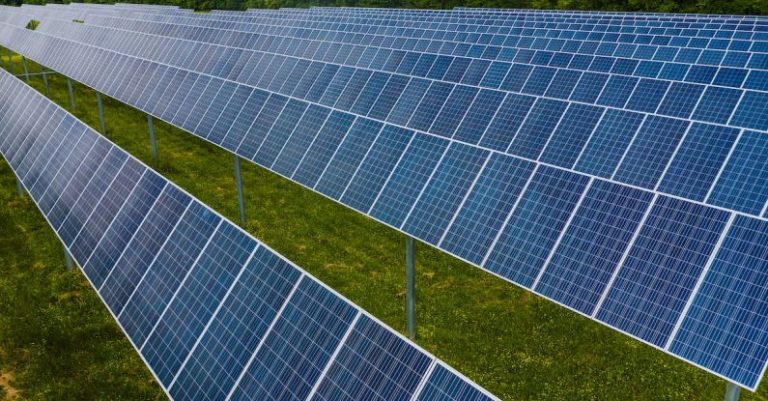
Another key advantage of composites is their compatibility with advanced technologies. With the rise of smart buildings and digital design tools, architects can leverage composites to integrate cutting-edge technologies into the facade systems. From incorporating solar panels and LED lighting to creating dynamic facades that respond to environmental conditions, composites offer endless possibilities for integrating technology and innovation into building facades.
By harnessing the power of composites and technology, architects can create facades that not only enhance the visual appeal of a building but also improve its functionality and performance. These innovative facade systems are pushing the boundaries of traditional architecture and paving the way for a new era of design possibilities.
The Future of Facade Design with Composites
As the demand for sustainable and high-performance buildings continues to grow, composites are poised to play an increasingly important role in the future of facade design. With their unmatched versatility, durability, and performance, composites offer architects and designers a powerful tool to create innovative and visually striking facade systems that meet the evolving needs of modern architecture.
With advancements in materials technology and manufacturing processes, the potential for composites in facade design is only set to expand further. As architects continue to push the boundaries of design and explore new possibilities, composites will undoubtedly remain at the forefront of innovative facade solutions, shaping the skylines of cities around the world for years to come.